Flood Retrofit Costs Signal New Underwriting Math for Indian Property
As Mumbai's monsoon losses convert into line items on institutional balance sheets, flood defense is becoming core capital expenditure for commercial landlords, not a corporate responsibility gesture.
A Mumbai office complex that struggled to keep tenants through repeated monsoon flooding has become an early marker of how global capital is pricing physical climate risk in Indian real estate. Brookfield Asset Management has spent $26 million retrofitting Equinox Business Park, the commercial complex it acquired in 2018, after seasonal flooding pushed occupancy as low as 16 percent.
Equinox sits on the floodplain of the Mithi River, a waterway that regularly overflows during Mumbai's monsoon season and has shut down roads and stalled commercial activity across the surrounding district. For years, that exposure showed up inside the building itself: sustained rainfall periodically knocked out drainage capacity and left standing water on the lower floors, a problem that made the complex harder to lease even as Mumbai's broader commercial property market tightened.
Retrofit Centers on Backup Power and Drainage
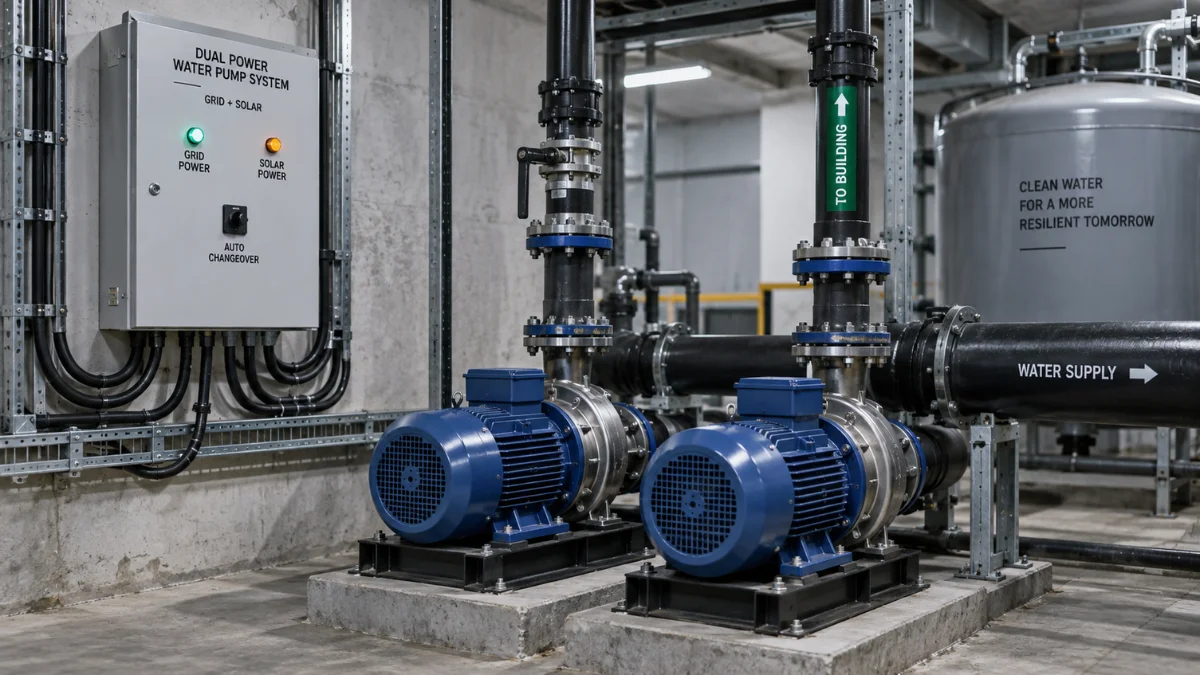
The $26 million outlay funded a dual electric- and diesel-powered pump system designed to keep water out of the building even when grid power fails during storms, along with additional flood defenses around the property. The investment treats flood resilience as infrastructure, sized to the building's operating budget rather than bundled into a one-time renovation.
The timing matters. Mumbai's monsoon flooding is not new, but the capital response marks a shift from previous cycles, when landlords more often absorbed vacancy losses or waited out a bad season rather than committing eight figures to hardening a single asset.
Physical Risk Is Becoming an Underwriting Line Item
For institutional owners, the Equinox retrofit sets a benchmark other Mumbai landlords will be measured against. A commercial building that cannot guarantee tenants dry basements and reliable power during monsoon season carries a discount, whether or not that discount is written into a formal valuation model yet. Brookfield's spending suggests the correction is happening asset by asset, ahead of any regulatory mandate.
That has implications beyond one building. Lenders and insurers pricing commercial real estate in flood-prone Indian cities now have a reference point for what remediation costs, and by extension, for how much unremediated flood exposure should discount a property's value. Landlords who defer that spending risk losing tenants to buildings that have already made the investment, particularly as corporate tenants face their own pressure to document climate exposure in their supply chains and leased space.
What Equinox does not resolve is whether $26 million was enough. Occupancy figures after the retrofit have not been independently reported, so it remains unclear whether the investment restored the building's competitiveness or simply stopped the bleeding.
What to Watch
Whether Equinox's occupancy recovers meaningfully following the retrofit will be the clearest signal of whether this kind of capital spending pays off. Watch also for whether other landlords on Mumbai's flood-exposed corridors, including along the Mithi River, announce comparable retrofits, and whether Indian lenders or insurers begin explicitly pricing flood resilience into commercial property valuations rather than treating it as an owner-level decision.
For more climate news click here