COP31: India Resists Linking Adaptation Indicators to Climate Finance Access
India’s negotiators want adaptation finance scaled up without new strings attached, while the adaptation gap gives donors fresh reasons to measure results before paying.
India has arrived at COP31 in Antalya asking for two things that pull against each other in the negotiating room. It wants international adaptation finance substantially increased, and it wants the indicators that will track the Global Goal on Adaptation kept voluntary, so they do not become conditions for accessing that money.
India’s Ask: More Public Money, Fewer Conditions
Environment Minister Bhupender Yadav, who leads India’s delegation, set out the position in New Delhi on November 3, six days before talks opened. India wants COP31 to formally launch a Climate Finance Work Programme. It argues that developed countries owe finance under Article 9.1 of the Paris Agreement, and that it should be predictable, largely public and concessional, so that it does not add to developing countries’ debt.
The adaptation position follows the same logic. India wants the goal’s indicators kept voluntary and separate from finance, with adaptation tied to agriculture, food security and the livelihoods of small and marginal farmers. On mitigation, India will press for the Global Stocktake process to remain party-driven and non-punitive, and for carbon market participation under Article 6 to stay voluntary.
Yadav framed India’s role as being “part of the solution and never the problem,” and said it would negotiate alongside the G77 and China, the Like-Minded Developing Countries and the BASIC group.
The Gap That Frames the Talks
The numbers explain why adaptation will be among the hardest negotiations of the fortnight. The UNEP Adaptation Gap Report 2026 estimates that developing countries need about $305 billion a year by 2035, within a range of $255 billion to $328 billion. International public adaptation finance reached $28.2 billion to $31.7 billion in 2024, about a tenth of that need and still short of the Glasgow pledge to double flows to roughly $40 billion by 2025.
Tripling flows by 2035, as countries agreed to aim for at COP30, would lift them to roughly $85 billion to $120 billion a year. Against UNEP’s inflation-adjusted estimate of about $420 billion, that covers only 20% to 29% of requirements.
Why Indicators Have Become a Finance Fight
A gap of that size changes the politics of measurement. Donors facing tight aid budgets, and a UNFCCC still adjusting to the US withdrawal, have stronger reasons to tie scarce money to measurable adaptation results. For India and other developing countries, indicators that start as voluntary reporting tools risk becoming eligibility tests, a concern that grows as the money falls further behind the need.
The same tension runs through the Belém-Antalya mechanism for a just transition, agreed in principle at COP30. Negotiators in Antalya must settle how it is governed and whether it carries any resources. India supports continuing just transition work through a party-led mechanism grounded in the right to development and affordable energy access.
The COP31 presidency’s own headline goal adds another layer. Türkiye has proposed electrifying 35% of global energy use by 2035, a collective target launched as a presidency priority in June. India’s insistence that voluntary initiatives under the presidency’s Action Agenda stay separate from formal negotiations signals that it will resist any attempt to turn such goals into obligations.
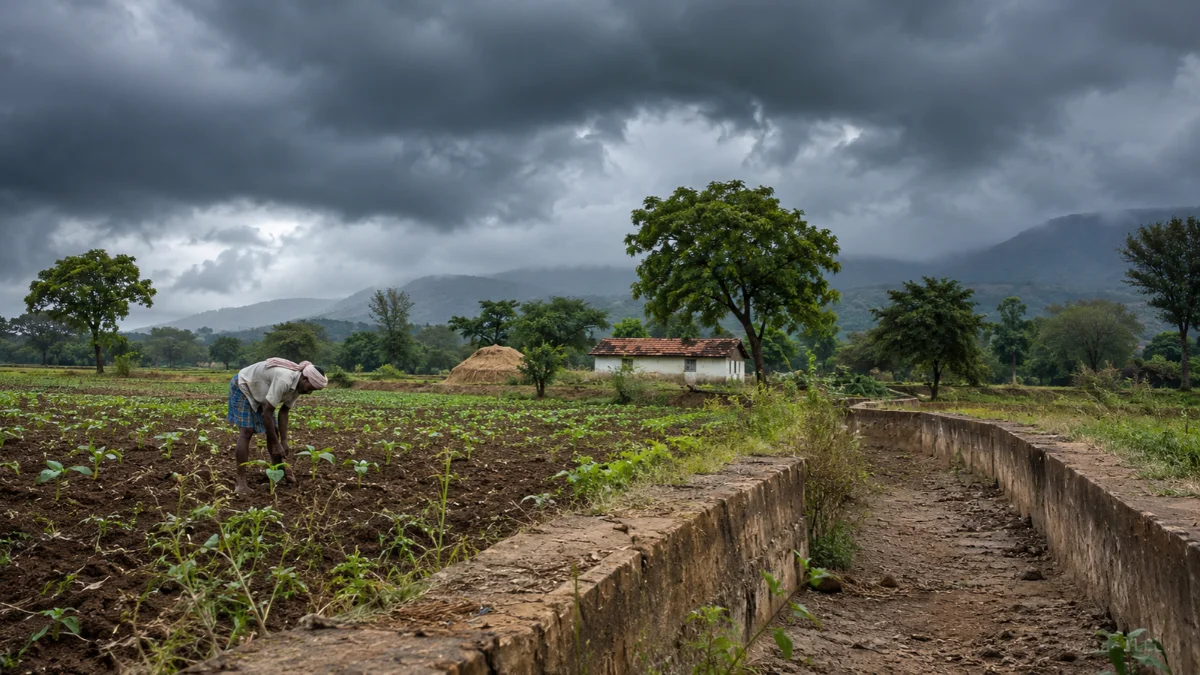
For Indian states and sectors most exposed to climate risk, particularly rain-fed agriculture and coastal districts, the outcome determines how much international money can reach adaptation projects and on what terms.
What to Watch
The first marker is India’s national statement at the World Leaders’ Summit on November 11 and 12, which will show whether the government restates its finance demands or adds new commitments. The second is whether the final decision on the Global Goal on Adaptation keeps its indicators voluntary or links them to finance access. The third is whether the Climate Finance Work Programme is formally launched before talks close on November 20, which would give India’s Article 9.1 argument a standing negotiating track into 2027.
For more climate news click here