Divided Washington Leaves Tax Credits, Permitting as Main Bipartisan Openings
A Democratic Congress gains investigative power over US energy policy but not the votes to override a veto, putting oversight, tax credits and permitting at the centre of the next two years.
The midterm result changes who frames the US energy debate, not who decides it. Democrats will hold both chambers of Congress from January 2027, while President Donald Trump has said he will veto legislation he considers unacceptable, leaving committee oversight as the opposition’s most immediate lever.
Oversight Becomes the Opposition’s Main Energy Tool
The administration has reversed EPA pollution limits, cancelled clean energy grants and projects, cut the agency’s budget and opposed offshore wind. The incoming majority now controls the committees that can examine those decisions.
Rep. Frank Pallone of New Jersey is expected to chair the House Energy and Commerce Committee, and Sen. Sheldon Whitehouse of Rhode Island is the senior Democrat on Senate Environment and Public Works. Clear Street energy transition analyst Tim Moore expects investigations into the rollbacks and possible attempts to amend the Clean Air Act to target carbon pollution.
Veto Arithmetic Pushes Bolder Bills Toward 2028
Trump told Fox News he expects a period of vetoes before the two sides find ways to cooperate. The White House describes its approach as prioritising reliable, affordable and secure energy supply. Without Republican votes for an override, Rep. Sean Casten of Illinois acknowledges that the more ambitious Democratic bills will mainly serve as a platform for 2028.
Two areas look negotiable. UC Santa Barbara political scientist Leah Stokes points to Republican support for extending clean energy tax credits, and American Petroleum Institute chief executive Mike Sommers sees room for bipartisan work on affordability. A permitting package announced in September, designed to shorten approval timelines for large energy projects, faces a Senate procedural vote, though some Democrats and the US Climate Action Network oppose it.
Contested Policy Direction Becomes the Priced Risk
For developers and investors, the result swaps one risk for another. Federal energy policy is now contested rather than one-directional, and UC San Diego professor David Victor calls the federal outlook “largely a recipe for kind of intense chaos.”
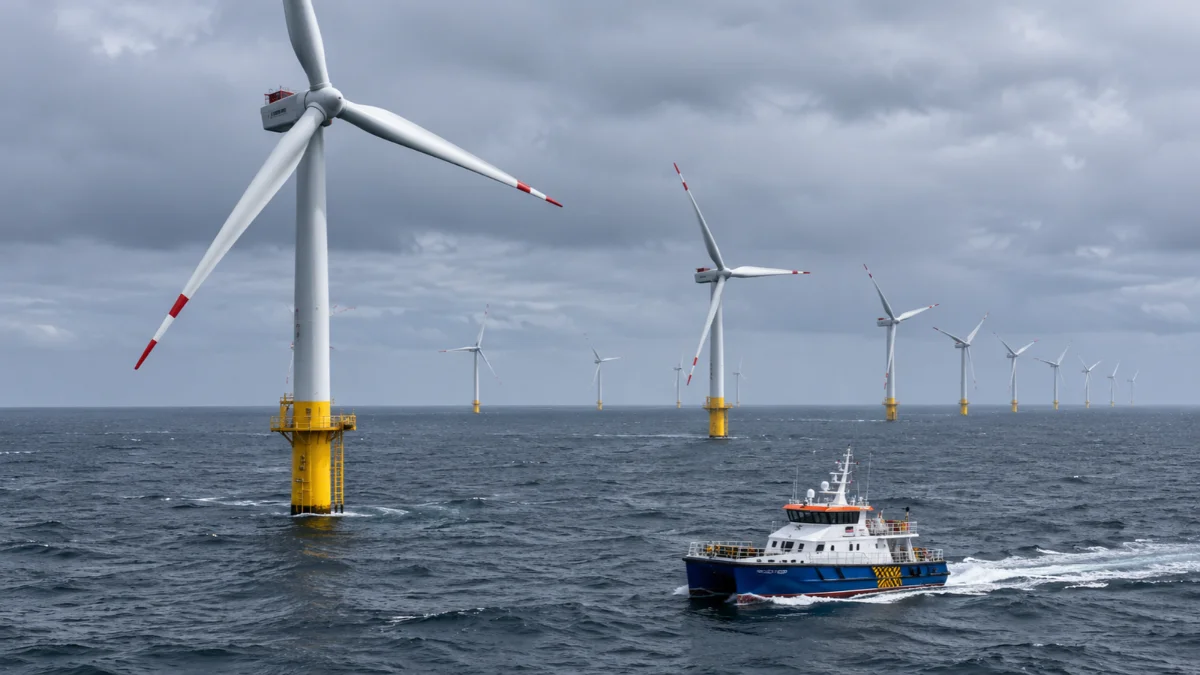
Operating assets are the least exposed. Orsted’s Revolution Wind, in federal waters off Rhode Island, entered commercial operation last week despite the administration’s opposition to offshore wind. Projects still awaiting federal permits or grant decisions face a two-year window in which neither party can guarantee the outcome.
States absorb part of the slack. Democrats won governorships in Texas and Georgia, and former Washington governor Jay Inslee expects clean energy momentum to build where the party now holds state power.
Trade remains the variable for suppliers outside the US, India included. Tariffs sit on the Democratic agenda, but duties on Indian solar cells, at combined rates reaching 249.13% under Commerce Department findings in September, are administered by the executive branch rather than set by Congress. US crystalline silicon module imports fell 78% in value between the first halves of 2024 and 2026, to $1.7 billion, according to a Crux white paper, as enforcement and domestic incentives reshaped supply.
What to Watch
The first marker is the Senate procedural vote on the permitting package, which will show whether Democrats divide over faster approvals for both fossil and clean energy projects. The second is whether a tax credit extension bill attracts Republican co-sponsors before the new Congress convenes. After January, the opening Energy and Commerce hearings will indicate whether oversight targets grant cancellations, EPA rollbacks or both, and whether Trump’s first veto lands on an energy bill.
For more climate news click here