Niche Ninety Nine Scores Span 55 to 77.78 as Unsolicited Ratings Spread
India's disclosure rules now publish every ESG score a listed company receives, solicited or not, and the scores for the same company do not agree.
Two SEBI-registered rating providers scored NTPC 15 days apart in September: ESG Risk Assessments and Insights placed the power producer at 49, labelled "Adequate", while Niche Ninety Nine assigned 61, labelled "Performer". NTPC hired neither.
Every Rating Now Reaches the Exchange, Hired or Not The volume is a product of regulation.
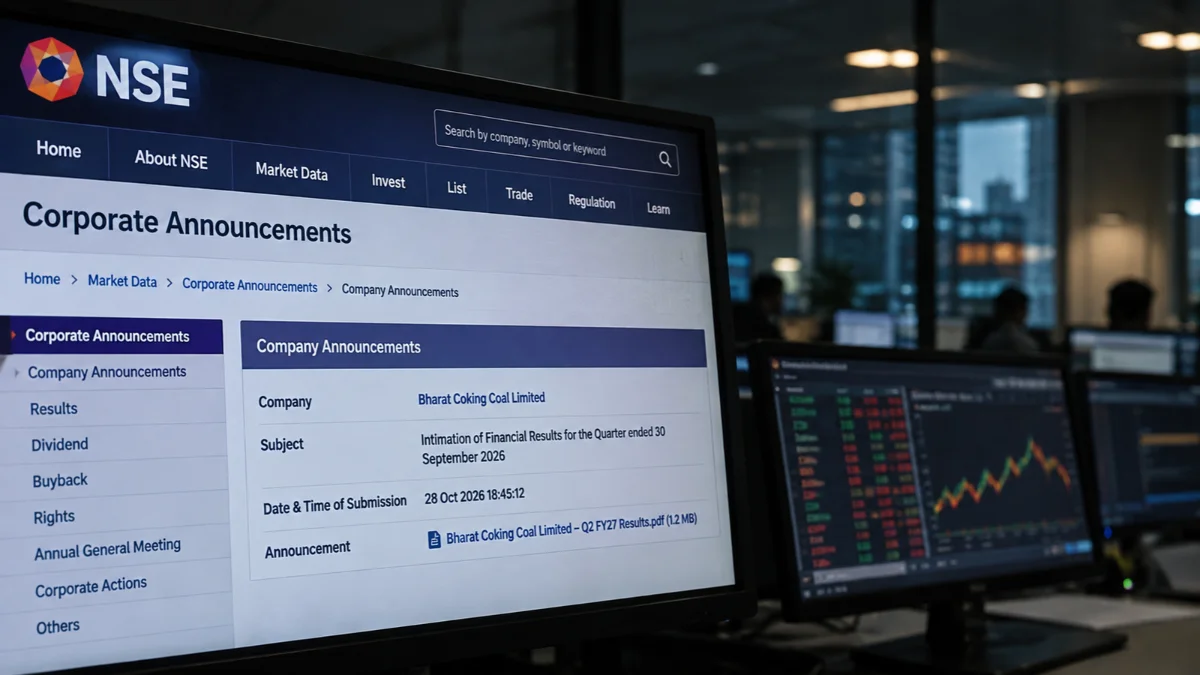
Under SEBI's Listing Obligations and Disclosure Requirements, receipt or revision of an ESG rating is a deemed material event that must reach stock exchanges within 24 hours. Since August 2, 2025, NSE and BSE have run system-driven disclosure, under which rating providers upload scores directly and the exchanges publish them automatically. The regime covers subscriber-pays providers, which sell research to investors and rate companies from public-domain data without a mandate from the issuer. Their unsolicited scores carry the same exchange visibility as a rating a company commissioned and engaged with.
Niche Ninety Nine Scores Cluster Between 55 and 78
Niche Ninety Nine, registered as a Category-II subscriber-pays provider, has been among the most visible issuers since mid-September. A Climatora review of exchange disclosures and company announcements found at least 12 of its scores made public. They range from 55 for HPCL to 77.78 for HDFC Bank, with most falling between 61 and 70. The latest additions came on November 1: Trident at 65.88, Tata Chemicals at 68.74 and Usha Martin at 69.57. Earlier scores included NTPC at 61, Larsen & Toubro at 63, NHPC at 64, Hindustan Zinc at 67.76 and IndusInd Bank at 73.
The Same Company Draws Gaps of Eight to 12 Points
Where a second provider has also rated the company, the gaps are material. NHPC received 64 from Niche Ninety Nine in September and 75 from NSE Sustainability Ratings and Analytics in October. HUDCO was graded 61.5, or "B", by SES ESG Research in September, then 70 by NSE Sustainability a month later. The labels compound the problem. NSE Sustainability's 70 for HUDCO falls in a band it calls "Aspiring". Niche Ninety Nine's 61 for NTPC is classed as "Performer". A lower number carries the stronger label because each provider runs its own scale. In its October filing, NHPC said it "has not engaged NSE Sustainability for this ESG Rating."
Comparability, Not Disclosure,
Is the Unsolved Problem SEBI's July 2025 master circular for ESG rating providers governs how they are structured and supervised, including board sub-committees and rules on withdrawing ratings. It does not require providers to share a scale, so a headline score published on an exchange gives no reference point unless investors read each methodology. The exposure falls on two groups. ESG and thematic fund managers screening Indian equities now see several official-looking numbers per company and must decide which to weight. Listed issuers, particularly public sector companies with large emissions footprints, find their sustainability standing set by providers they did not appoint, working from public filings that may lag their own BRSR disclosures. The incentive structure deserves scrutiny. A subscriber-pays provider gains exchange visibility each time it publishes an unsolicited score, whether or not the company engaged with the assessment.
What to Watch
The first marker is whether SEBI, in its next review of the ESG rating provider framework, requires exchanges to display each provider's scale and band labels beside the score. A second is whether more companies begin attaching their own context to Regulation 30 notices, as NHPC and HUDCO did by stating they had not engaged the provider. The third is investor behaviour. If fund houses begin naming a preferred provider in their ESG scheme documents, the market will have chosen a benchmark that regulation has so far left open.
For more climate news click here