Aditya Birla Renewables Scales to 9.3 GWp With Sprng Deal
Shell is handing over the asset that makes up roughly four-fifths of its global renewable generation capacity, and the buyer is using the deal to leapfrog toward a 20 GWp target it had not expected to reach this soon.
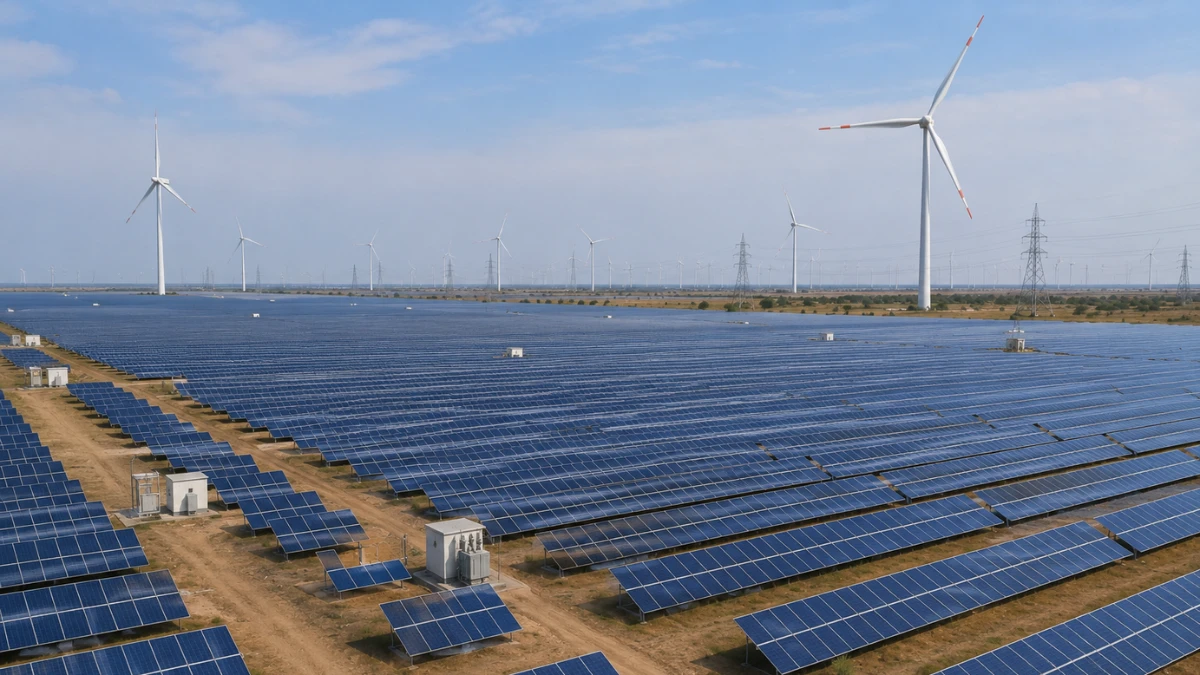
Shell Overseas Investment B.V. has signed a definitive agreement to sell 100 percent of Solenergi Power Private Limited, the holding company for the Sprng Energy group, to Aditya Birla Renewables Limited for an enterprise value of $1.8 billion. The portfolio, roughly 5 GWp of solar and wind assets across India, represents about 80 percent of the 6.1 GW of renewable capacity Shell held at the end of 2025.
The sale extends a strategy Shell laid out at its 2025 Capital Markets Day: recycle capital out of lower-return power assets and toward an asset-backed trading model, while targeting a 10 percent return on average capital employed by 2030. It also marks a reversal within four years. Shell bought Sprng from private equity firm Actis in 2022 for $1.55 billion, a deal that tripled its operational renewables capacity at the time.
Aditya Birla Nearly Doubles Its Renewable Base in One Transaction
Aditya Birla Renewables Limited, a subsidiary of Grasim Industries, will fund the acquisition through a mix of debt and equity from Grasim and Global Infrastructure Partners, the BlackRock-owned infrastructure investor that holds a minority stake in ABRen. The Sprng portfolio, split between 3.3 GWp of operating capacity and 1.7 GWp under construction, will lift ABRen's combined renewable base to approximately 9.3 GWp. The company had been closing in on an earlier 10 GWp target ahead of schedule; leadership now points to 20 GWp as the next marker.
A Financial Sponsor's Exit, Not a Distress Sale
Unlike Shell's own 2022 purchase from a private equity owner, this transaction moves a fully operational, cash-generating platform between two strategic owners: an integrated oil major reshaping its power business, and an industrial conglomerate building a utility-scale renewable arm to complement its existing commercial and industrial energy customers. GIP's presence as a minority funder on the buy side, rather than as the seller, distinguishes this from the sovereign-fund exits and PE roll-ups that have characterized other recent Indian renewable transactions.
For Shell, the sale confirms a broader pullback from renewable generation ownership in favor of trading and lower-carbon fuels businesses, even as the company maintains its LNG, mobility and lubricants operations in India. For Aditya Birla, the deal is a shortcut past years of organic build-out, adding contracted cash flows and creditworthy offtakers rather than development-stage risk. The open question is what Shell's remaining renewable capacity outside India, roughly 1.1 GW after this sale, signals about whether generation ownership is a business Shell intends to keep at all, or whether Sprng is the first of further divestments.
Machteld de Haan, Shell's president for downstream renewables and energy solutions, described the rationale directly: the company is "high-grading our power portfolio and recycling capital."
What to Watch
Watch for regulatory approvals to clear before the deal's targeted close by the end of calendar year 2026, and for any indication of what happens to Shell's remaining renewable assets outside India once this transaction completes. Also watch whether Aditya Birla's stated path to 20 GWp comes through further acquisitions of operating portfolios like Sprng, or through organic development, since the two paths carry very different capital and execution risk profiles.
For more climate news click here